
Is your dog in pain?
Trust your gut
Maybe your vet has checked them over and given the all-clear, but something still feels off.
They’ve changed their mood, they’re not moving the same, or they’re just not themselves anymore.
You can’t shake the sense that something deeper is going on.
You’re not imagining it.
Veterinary consults are often short, and your dog may be flooded with adrenaline in the clinic, masking subtle issues and making pain harder to detect.
And if your dog is anxious, reactive, or sensitive to touch, it can be even more difficult for a vet to examine them properly.
That doesn’t mean your vet isn’t brilliant, sometimes it’s just an impossible job with a complex dog.
For dogs like these, stress and sensitivity can make vet exams extremely difficult.
That’s where I come in.
I offer a non-invasive observational assessment that can:
- Help you get to the root of what’s going on,
- Gather high-quality visual evidence of your dog’s posture, gait, and movement patterns,
- Share it in a structured report with your vet — making diagnosis and decision-making easier.

What I offer

If your dog is anxious, shut down, hard to handle, or something just seems “off”…
This full-body observational service may help you uncover hidden pain or movement issues affecting their behaviour.
It includes:
A detailed history and behaviour discussion
High-quality video and photo capture of your dog’s gait, posture, and functional movement (usually by me, as owners often find this difficult to do well)
Marked-up photos showing postural clues
Slowed video footage highlighting compensatory or concerning movement
A structured vet report
Ongoing support and collaboration with your veterinary team
FEES
Full Pain & Movement Assessment: £185–£200
(includes in-person visual assessment, media capture, vet report, and support)
Optional Virtual Observation Support: £145
(for those able to provide detailed videos themselves, suitable for some dogs)
Why This Matters

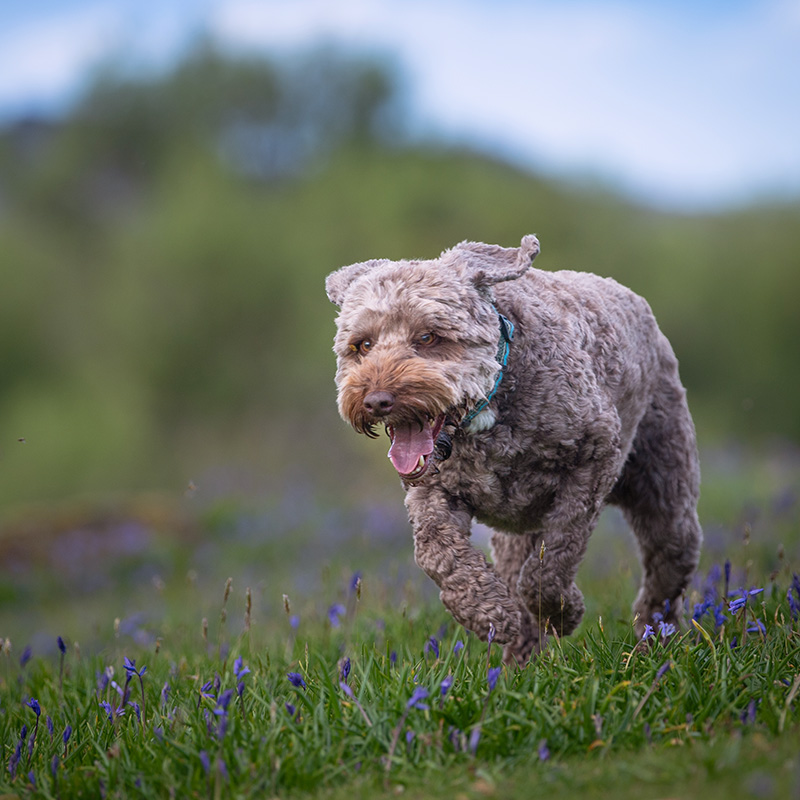
Many of the behavioural concerns I see, from reactivity and resource guarding to shutdown, noise sensitivity, and chewing, are linked to underlying physical discomfort.
“On a conservative estimate, around a third of referred behaviour cases involve some form of painful condition – and in some cases the figure may be as high as 80%.”
Professor Daniel Mills

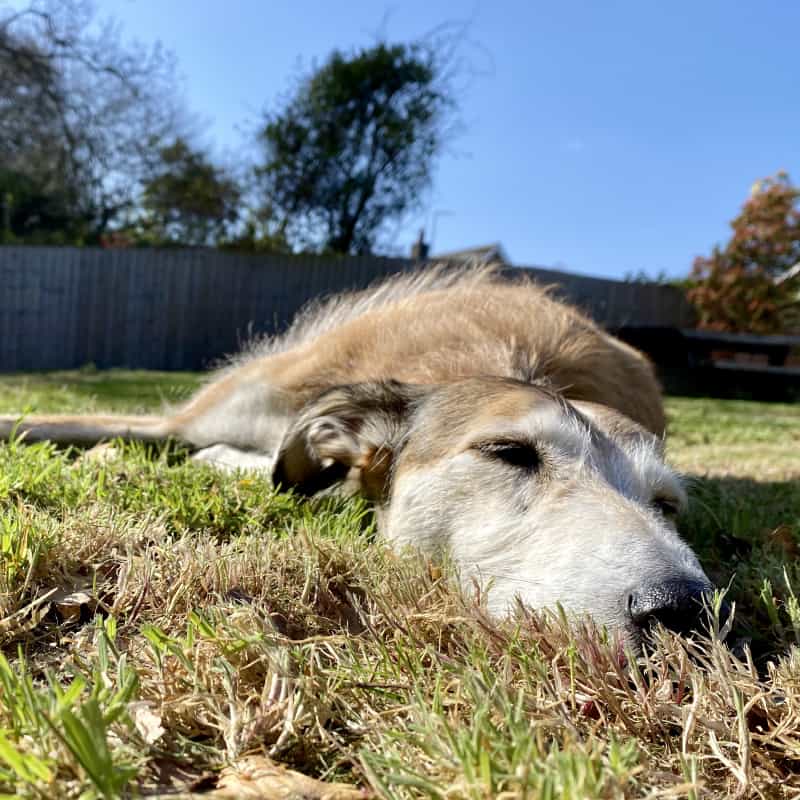

Musculoskeletal, painful gastrointestinal and dermatological conditions are commonly recognised as significant to the animal’s problem behaviour.
Pain and Problem Behavior in Cats and Dogs – Daniel Mills et al
Reluctance to walk, play, or jump up
Bunny hopping or skipping behind
Noise sensitivities
Eating non-food items (pica)
Increased barking, guarding, or reactivity
Resource guarding or touch avoidance
Excessive licking of people (often overlooked!)
Difficulty settling or sleeping during the day
Refusing car travel or jumping into vehicles
Excessive chewing or licking (including paws or bedding)
Pulling excessively on the lead — even during slow walks
If your dog is showing one or more of these signs, pain could be playing a role, even if they “seem fine” at the vet or in familiar environments.

Working together
You’ll receive a structured report and supporting evidence to take to your vet, which can speed up diagnosis and support better treatment decisions.
🔍 I don’t diagnose – I support your vet’s clinical decision-making with detailed data and professional insight.
Fees
Full Pain & Movement Assessment: £185–£200
(includes in-person visual assessment, media capture, vet report, and support)
Optional Virtual Observation Support: £145
(for those able to provide detailed videos themselves, suitable for some dogs)


